Hip to Gable Loft Conversion Barnet

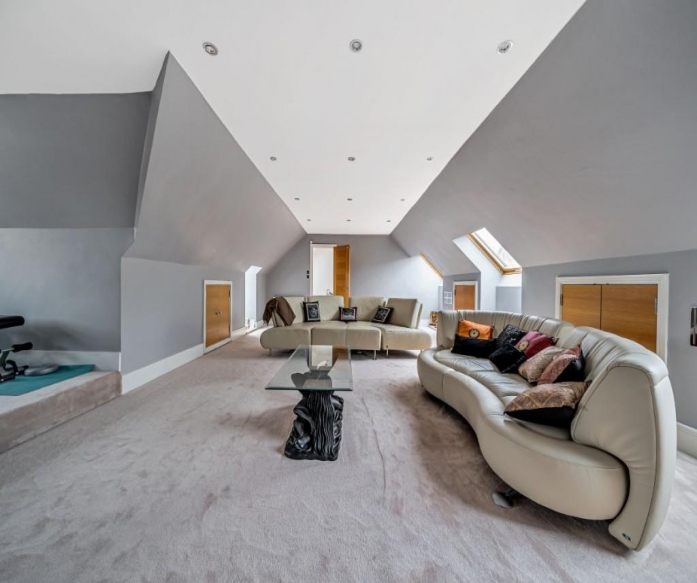
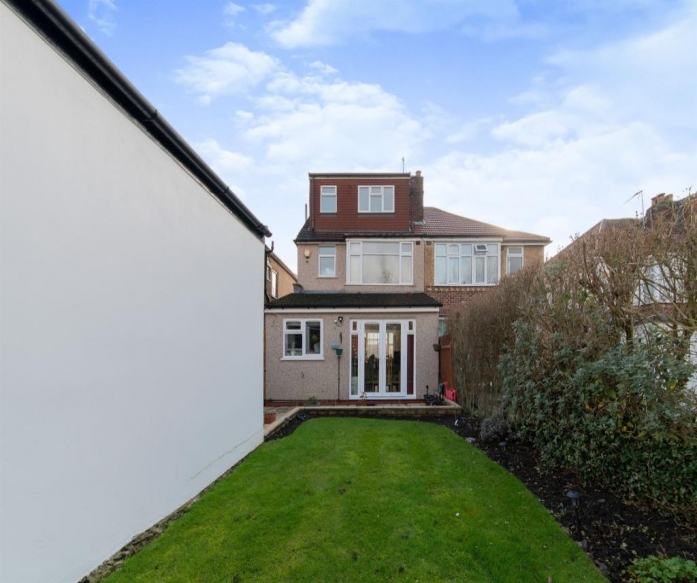
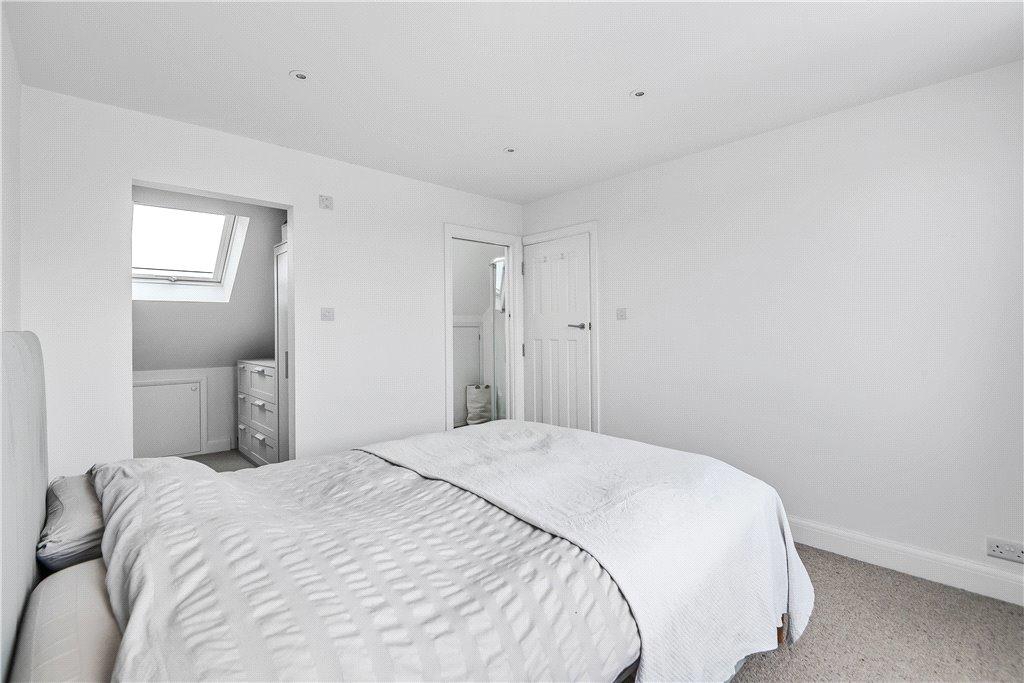
A Hip to Gable Loft Conversion is when the sloping side of the roof (hip) is extended vertically from the ridgeline to create a gable, and a Rear Dormer is formed to the rear of the property. This type of Loft Conversion maximises floor space and head space and is one of the most popular loft conversions across Barnet. This is suitable for most semi-detached or end-of-terraced properties with an existing hipped roof. Hip-to-gable Loft Conversions provide excellent additional space to your property. This space can be utilised to add a master bedroom with an en-suite, an extra bedroom for a growing family, or an office as well.

Hip to Gable Loft Conversion Barnet

What Is the Benefit of a Hip to a Gable Loft Conversion?

A hip-to-gable loft conversion is regarded as one of the most common types of loft conversion and maximises the space of the floor and head height. Also, a high-quality hip-to-gable loft conversion can add significant value to your property – it can add value more than 20 per cent, depending entirely on what you choose to include and where you live. Check with your local estate agent on how much a loft conversion will add to your property, wherever you live. Hip-to-gable loft conversions' prime advantage is the extra room they create. With the sloping ceiling straightened out, this adds additional headroom, increasing the possibilities for a larger bedroom and bathroom within your floor layout.

How much does a Hip to Gable Loft Conversion Cost?

A Hip to Gable Loft Conversion will cost more than a standard Dormer or Velux conversion, but less than a Mansard Conversion. A high-quality hip-to-gable loft will cost more than £50,000, depending on its size and the specifications required. The construction cost will vary based on several factors such as your location in London, the specifications and the number of rooms you want. The work involved in building a hip-to-gable loft is comparatively intensive in terms of both labour and materials. In addition to the construction costs, you will need to add the professional fees and the decoration too.

What can the Hip to Gable Loft be used for?

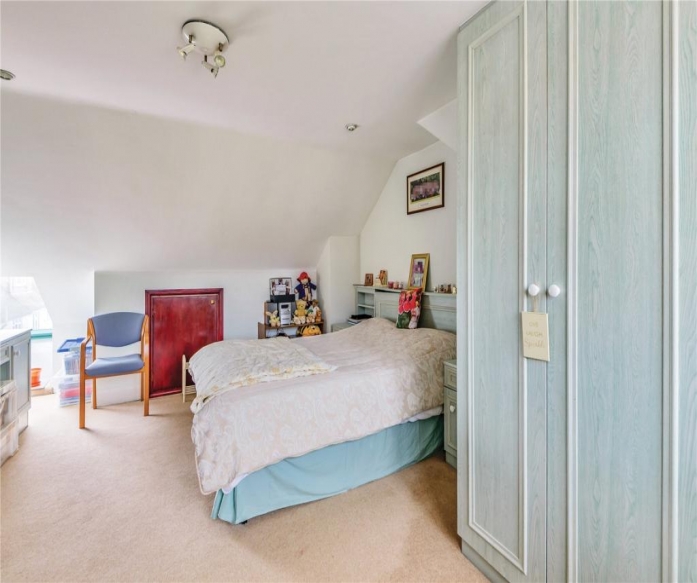
Whether you want a new bedroom, bathroom, library, yoga room, games room, or a home office, loft conversions provide the practical living space you desire without compromising existing space (extensions often take up garden space).

hip-to-gable-loft-conversion-barnet2.jpeg

Do you need Planning Permission for your Hip to Gable Loft in Barnet?

A hip-to-gable loft conversion will require planning permission. At the same time, Velux or dormer loft conversions do not require planning permission (subject to planning conditions being met). The majority of loft conversions in London are carried out under permitted development, which means you do not need a formal planning application. Even large full-width dormers are permissible on the rear of the property. However, when it comes to extending on the prominent front or side elevation, planning permission is then required. Here are the requirements that must be met for all loft conversions to be within the scope of planning permission.

These include: The Size of the loft conversion should be no more than 50 cubic metres for a detached property and 40 cubic metres for a semi-detached house.

You cannot exceed the height of the existing roof. You cannot have balconies or verandas; only Juliet balconies are permitted where there is no platform.

The loft conversion style must be in line with the original property. The principal elevation at the front of the property, where it fronts a highway, must not extend beyond the front of the existing roof slope. Your property must not be a maisonette or a flat.

Additionally, it cannot be located in a conservation area. If your Loft Conversion falls under permitted development, you need to make sure that the application to planning is made for Lawful development certificate. This will eliminate any legal issues in the future and help in the sale of the house, too.
hip-to-gable-loft-conversion-barnet1.jpeg

How to prepare for a Hip to Gable Loft Conversion Project?

Stage 1 - Architectural Design and Survey - Get your property surveyed and formalise your Loft Conversion Plans, which you would like to build. Talk to your architect and share all the ideas you have so that the design and build is suited to what you require.

Stage 2 - Apply for Planning Permission - Once the drawings are ready, planning permission must be obtained from your local authority.

Stage 3 - Obtain any other building consents you may require - There are many other types of consent that you may need to obtain before you can start work on your loft conversion. For example, if you live in a flat, you need to seek permission from the freeholder before making any changes to the structure of your roof.

Stage 4 - Serve Party Wall Notice - If you share a wall(s) with your neighbour and the proposed works affect it then you will be required by law to notify the affected neighbour(s).

Stage 5 - Prepare Structural Calculation and Building Control Drawings - Before starting work, you will need to hire a structural engineer to produce structural calculations. These will be submitted to the building control to check whether or not the proposed loft works adhere to the building regulations and also by the contractors working on the site.

Stage 6 - Appoint a Party Wall Surveyor - If your affected neighbour(s) do not agree to the proposed works then you may need to hire a Party Wall Surveyor who will draw up something called a " Party Wall Award" prior to starting the building works.

Stage 7 - Submit Paperwork to Building Control - Building control must be notified about the proposed works and when you intend to commence. They will need to see the plans and the structural calculations. Stage 8 - Appoint a contractor and commence the loft build.

Let’s get
started

Would you like to learn more about how we can help you with your next residential or commercial project, fill in your details and a member of our team will be in touch.

This site is protected by reCAPTCHA and the Google Privacy Policy and Terms of Service apply.

Latest From the Blog

loft-conversion-barnet-14.jpeg
Design Tips for Loft Spaces in Your Barnet Property: Make the Most of Natural Light

Once you convert the loft space of your property, you can use it as a bedroom, library, office or studio. With an abundant flow of natural light inside, it might look more spacious. However, you need to know which type of loft conversion to choose to allow natural light to come in. In the following blog, we will ..

Read Full Story »
loft-conversion-barnet-velux.jpeg
Will a Loft Conversion add Value to my Barnet House

When you hear talk about loft conversions, one of the biggest questions homeowners ask is: Will it add value to my property? In Barnet — where space is at a premium — the answer is a resounding “yes,” as long as the conversion is done well. What the Numbers Say..

Read Full Story »