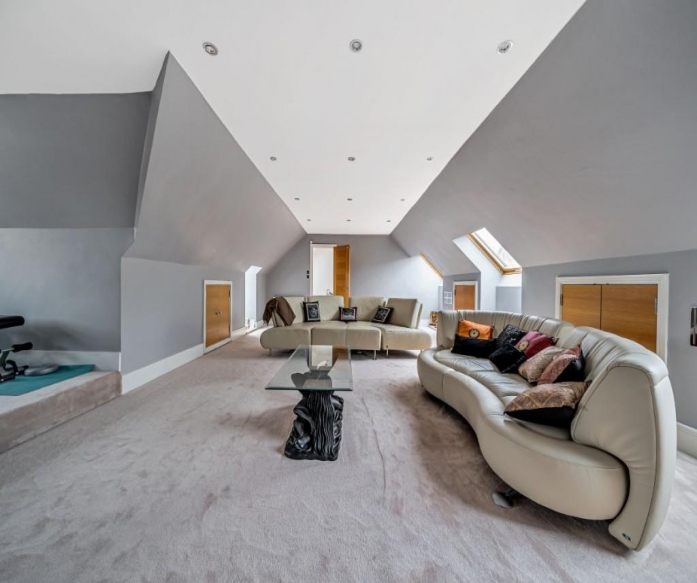
Dormer Loft Conversion Barnet

A Loft Conversion is one of the best ways to increase habitable space in your home, without needing to encroach on your garden. Dormer loft conversions are particularly popular in the UK's urban areas, where a lack of space in the garden often means the only option is to go upwards. Improving your home instead of moving has seen a significant increase in popularity in recent years. If you are considering undertaking a Loft Conversion, you might have come across the word "Dormer", and wondered what this is exactly? And, more importantly, is the dormer conversion right for your house

Dormer Loft Conversion Barnet


What is a Dormer Loft Conversion?

A Dormer loft conversion is among the most popular and widely used types in the UK, ideal for terraced or semi-detached houses. A dormer conversion involves extending the roof vertically to create greater headroom and floor area. If you notice a box-like structure on a pitched roof, with its walls set at a 90-degree angle to the floor, it is a Dormer Loft. Unlike a Velux conversion, a Dormer conversion requires significant structural changes to the roof.
This type of loft conversion causes minimal disruption, as work is completed on scaffolding outside your property. There are various types of Dormer loft conversions, and the most suitable option depends entirely on your property type (terraced, detached, or semi-detached) and the size and configuration of your current roof.
Dormer loft conversions are popular because they create additional headspace and floor area, are cost-effective, and often do not require special permissions under certain conditions and limitations.
  • Creates additional headspace and floor space
  • Highly cost-effective.
  • It is often permitted without planning consent if certain conditions and limits are met.

Different Types of Dormer Lofts in London

Dormer lofts come in various styles and sizes to fit different houses. Our team will design your dormer to maximise internal space and improve your property’s appearance and kerb appeal. Each dormer is proportioned to the house to feel like a natural extension.
Here are the most common types of dormer conversions available in London:

Flat Roof Dormer

Flat roof dormers are the most popular, offering a simple box-shaped extension with a flat roof at the rear. They provide maximum usable floor area and generous headroom, making them practical choices. Though less visually appealing than other styles, the extra space usually outweighs this. Check planning rules, as some councils restrict flat roof dormers.

Gable Roof Dormer

Also called a “dog-house dormer,” this style suits terraced properties. It extends the gable wall up to the ridgeline and adds a sloping roof to create a triangular structure. Gable dormers allow vertical windows for extra sunlight. Often, they are permitted development and don’t need planning permission.

Hipped Roof Dormer

A hipped roof dormer resembles a gable dormer but has a roof that slopes on three sides. This look is more attractive but offers slightly less floor space. Hipped dormers are preferred in windy areas due to their aerodynamic design and are more complex to build.

Mansard Dormer

Named after French architect François Mansard, this dormer is built at the property’s rear. With a flat roof and steep sides at about 70 degrees, mansard dormers maximise floor space and suit detached or period homes where interior space matters most.

Shed Roof Dormer

The shed dormer is similar to a flat roof dormer, but with one sloped roof plane. With no peaks or hips, it's simpler and usually less expensive to build. This style is common in Victorian properties and pairs well with existing gable roofs.

L-Shaped Dormer

An L-shaped dormer involves building two dormers: one over the main roof and another over the rear extension, meeting to form an “L” shape. This creates a spacious, versatile interior. It’s popular in Victorian terraces, where the layout fits this conversion.

Arched Dormer

The arched dormer has a curved roof, making it an elegant choice for period properties, especially Victorian homes. Though uncommon, it adds distinctive character and charm to a loft conversion.
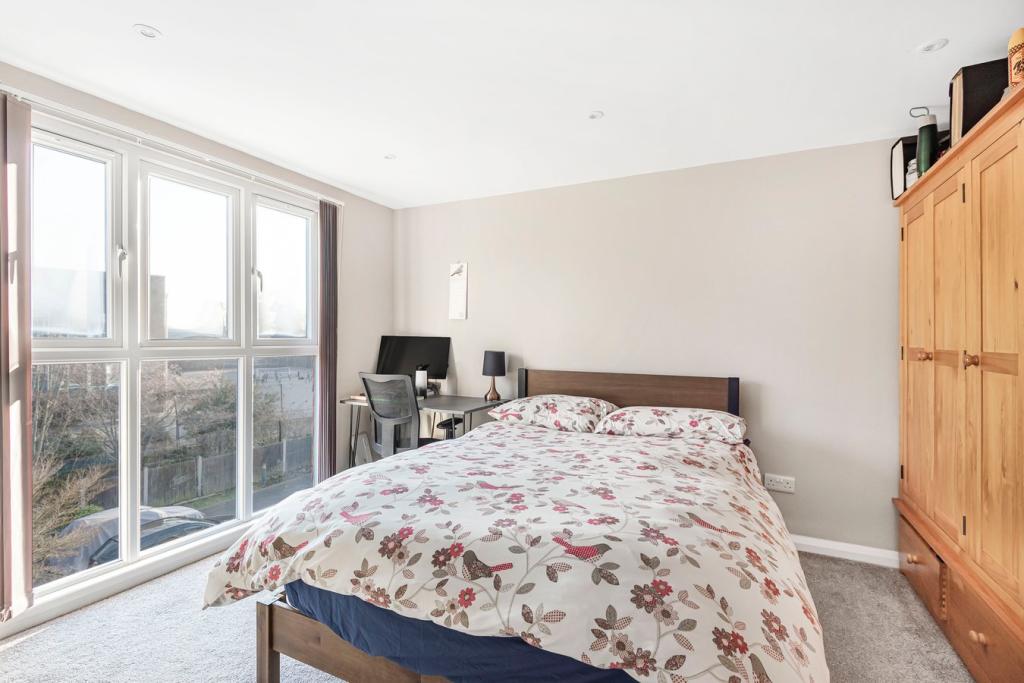
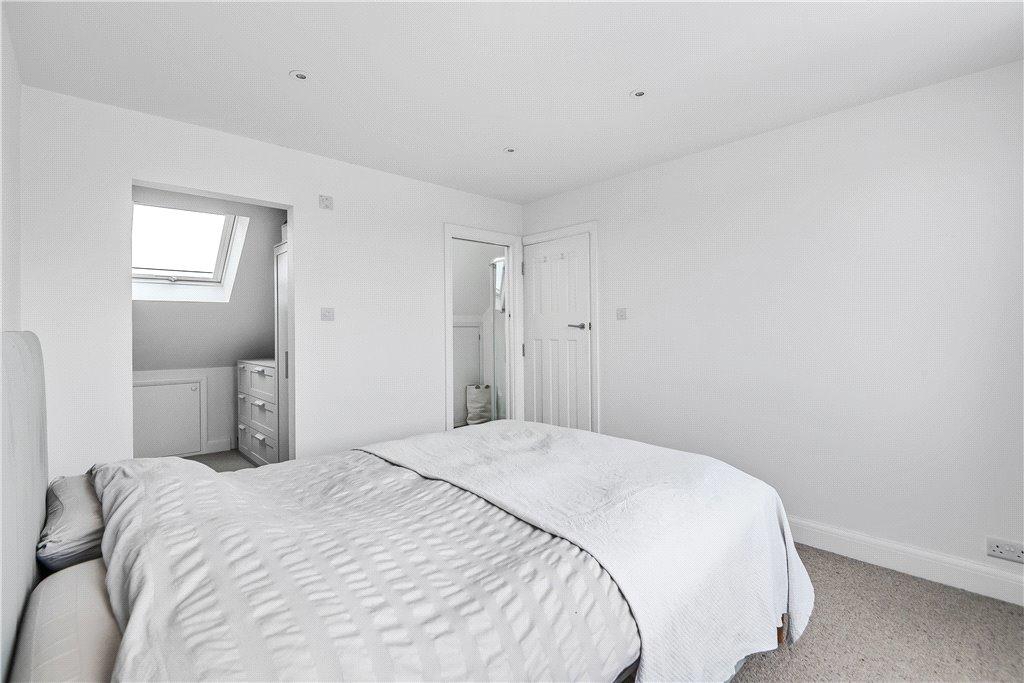
 

rear-dormer-conversion-barnet.jpeg

How Much Does a Dormer Loft Conversion Cost?

This is a somewhat tricky question to answer, especially since we haven't had the opportunity to see your property. The price is highly dependent on the size of the conversion, complexity and the extra work involved, such as fixtures and fittings. According to our records, the average cost of a standard loft conversion starts at around £ 40,000. However, our surveyor will first need to visit your house to discuss your requirements in detail before we can provide a detailed quote.

How Do You Know if a Dormer Loft Conversion in Barnet Is Right for You?

Hassle-free construction with minimum noise and disturbance. Dormer Loft Conversion in Barnet doesn’t necessarily Require Planning Permission. There are no limitations to the options when it comes to style. This form of architecture allows you to optimise the space. It also supports the Installation of a Skylight. The vertical wall makes it easier for you to fulfil your ever-increasing storage space.

FAQ

Do Dormer Loft Conversions Require Planning Permission?

-

In many cases, dormer loft conversions in London do not require any planning permission as long as they are within the permissible development conditions of the type of property you have. Unless your house or flat is located in a conservation area, different rules will apply to loft conversions. Dormer conversions to the front of your home will require planning permission, as they overlook the main road. We recommend that you always check with your local authority to determine whether your property requires planning permission.

How long will a Dormer Loft Conversion take to complete?

-

If all goes to plan and you have a standard loft conversion, a new Dormer loft conversion would take around 3-5 weeks for the structure and allow another 2-4 weeks for the finishing and decor.

What other things do I need to look out for?

-

If you own a terraced or semi-detached house in England or Wales, you will likely need a Party Wall Agreement from your neighbour(s). This is because your structural work will be going into the party wall for the construction of the dormer. You need to ensure that your loft conversion work complies with local building regulations and obtains approvals at every stage before proceeding.

Let’s get
started

Would you like to learn more about how we can help you with your next residential or commercial project, fill in your details and a member of our team will be in touch.

This site is protected by reCAPTCHA and the Google Privacy Policy and Terms of Service apply.

Latest From the Blog

loft-conversion-barnet-14.jpeg
Design Tips for Loft Spaces in Your Barnet Property: Make the Most of Natural Light

Once you convert the loft space of your property, you can use it as a bedroom, library, office or studio. With an abundant flow of natural light inside, it might look more spacious. However, you need to know which type of loft conversion to choose to allow natural light to come in. In the following blog, we will ..

Read Full Story »
loft-conversion-barnet-velux.jpeg
Will a Loft Conversion add Value to my Barnet House

When you hear talk about loft conversions, one of the biggest questions homeowners ask is: Will it add value to my property? In Barnet — where space is at a premium — the answer is a resounding “yes,” as long as the conversion is done well. What the Numbers Say..

Read Full Story »